





What is Self-Service Commerce?
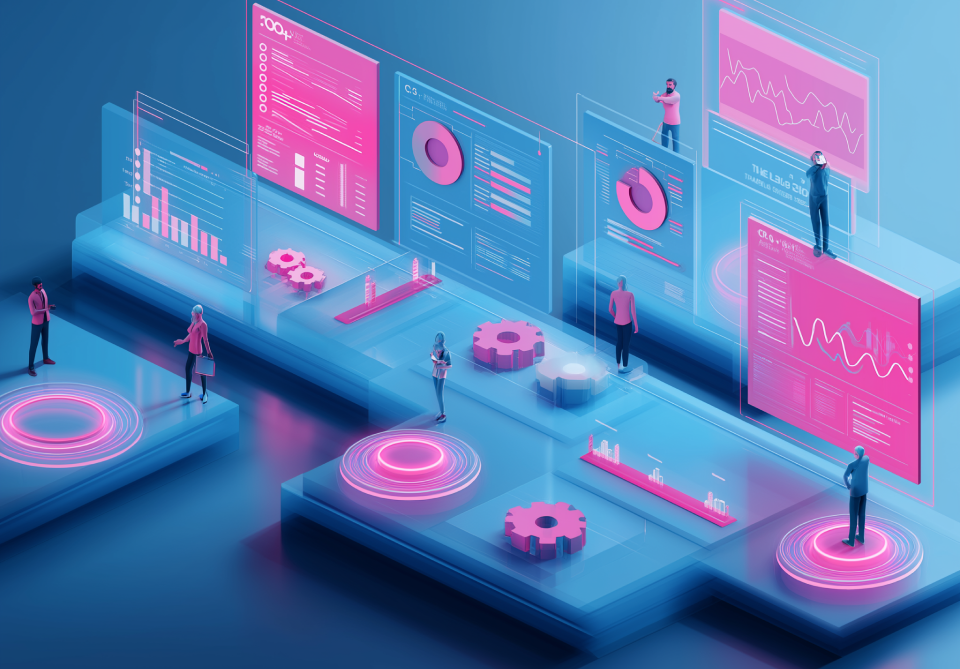
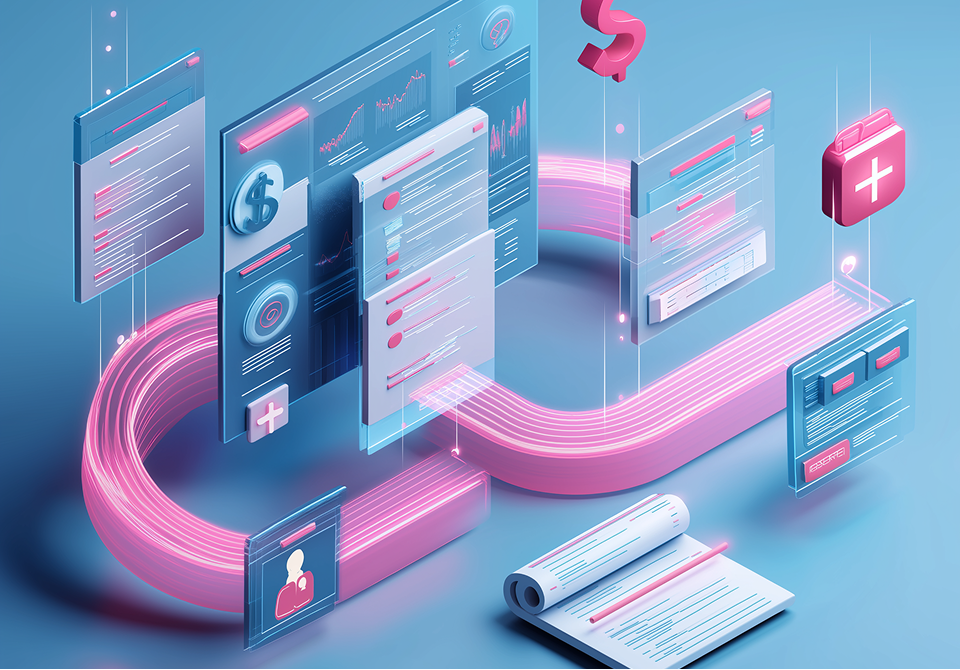
Self-service commerce enables buyers to complete transactions independently, without the need for a salesperson.
In B2B and B2C environments, this model gives customers direct access to products, pricing, and purchasing tools. They can evaluate offerings, compare options, and complete orders through digital interfaces. These might include websites, mobile apps, or dedicated portals.
For businesses, self-service commerce lowers reliance on manual sales interactions. It reduces wait times and supports higher volume without hiring more reps. Buyers benefit from 24/7 access and greater control over their purchase decisions.
In B2B, this approach reflects how buyers now prefer to work. Procurement teams want speed and simplicity. They want less back-and-forth and more direct access to the tools and data needed to move forward.
Synonyms
- Autonomous shopping
- Contactless commerce
- Customer self-service
- Digital self-checkout
- Self-serve commerce
- Touchless retail
The Evolution of Self-Service Commerce
Self-service commerce has changed quickly over the past few decades.
The earliest forms appeared as vending machines and basic kiosks. These tools gave customers simple, fast ways to buy without staff. Over time, retail expanded these ideas into self-checkout systems and loyalty apps. Businesses began testing digital options to reduce staffing needs and increase transaction speed.
The COVID-19 pandemic shifted self-service from optional to expected. Retailers and B2B vendors fast-tracked digital portals to meet new safety and access demands. According to McKinsey, what started as a quick fix became a permanent strategy.
Younger buyers, especially in the B2B sector, now expect these options. Millennials and Gen Z prefer autonomy. They often research, compare, and purchase products without ever contacting sales representatives. As this shift continues, companies adopt more tools that give users full control of the purchase process.
Key Features of Self-Service Commerce
Self-service commerce works best when systems are easy to use and always available.


Buyer Portals
Portals let buyers manage accounts, track orders, and browse product lines. In B2B, they often include access controls, contract pricing, and approval workflows. These systems give customers direct access without waiting for sales or support.
Product Configurators and Digital Catalogs
Buyers use configurators to build custom products from pre-set options. Digital catalogs supply real-time product data, specs, and pricing. Together, these tools reduce manual input and prevent errors in complex orders.
Mobile Checkout and Contactless Payments
Retail and field users rely on fast, frictionless payment tools. Mobile checkout, digital wallets, and cardless systems support quicker transactions and broader access. This flexibility boosts conversion and buyer satisfaction.
AI Chatbots and Knowledge Bases
Chatbots handle basic support tasks instantly. Knowledge bases answer common questions through searchable content. These tools cut support costs while improving speed for routine tasks.
CPQ Integration
CPQ software generates pricing based on product mix, rules, and discounts. When integrated into self-service flows, it gives buyers instant, accurate quotes. This removes delays caused by manual reviews or rep involvement.
Benefits of Self-Service Commerce for B2B Companies
Self-service is a growth lever for B2B teams aiming to scale without bloating headcount. Key benefits include:
- Reduced customer acquisition cost (CAC)
- Increased average order value (AOV) via guided selling tools
- 24/7 sales channel availability
- Higher customer satisfaction and loyalty through faster resolution
- Shortened sales cycles and reduced manual quoting via CPQ tools
Self-Service Commerce vs. Traditional Sales Models
Self-service and traditional sales offer different structures for how buyers interact, how fast deals close, and how companies grow.
| Feature | Self-Service Commerce | Traditional Sales Model |
|---|---|---|
| Buyer Control | High. Buyers browse, compare, and purchase independently. | Low to medium. Buyers depend on rep interaction. |
| Cost to Serve | Low. Automation handles most processes. | High. Labor-intensive and harder to scale. |
| Sales Cycle Length | Short. Real-time tools speed up decisions. | Long. Relies on meetings, calls, and reviews. |
| Scalability | High. Digital systems handle more volume without more staff. | Limited. Growth adds pressure on team size. |
| Customization Complexity | Medium. Handled by CPQ tools and rule-based logic. | High. Reps manage custom solutions manually. |
How to Implement Self-Service Commerce
B2B organizations can introduce self-service using a phased, scalable strategy.
Take, for example, Acme SaaS. Acme SaaS is a hypothetical mid-sized B2B software company preparing to launch a self-service portal. Their goal is to reduce sales effort on small accounts and shorten deal cycles.
Step 1: Audit the Buyer Journey
Begin by reviewing each stage of the current buying process. Look for areas that slow deals down or rely too heavily on manual intervention. Pay attention to repetitive questions, delays in quoting, or support requests tied to order clarity.
Example: Acme SaaS maps its buyer journey and finds that smaller prospects regularly contact support just to get basic pricing and feature comparisons. This signals a need for better self-service access earlier in the process.
Step 2: Select the Right Self-Service Platform
The platform should match the complexity of your product and your buyers’ digital habits. Off-the-shelf options may be suitable for basic products, but B2B offerings with complex configurations often require more flexibility or custom development.
Example: Acme SaaS chooses a custom-built portal layered on its CRM. It supports real-time product updates, role-based pricing, and integrates with their billing system.
Step 3: Integrate CPQ for Real-Time Quoting
CPQ tools allow buyers to configure products and receive instant, accurate pricing. They apply pricing rules, discount logic, and packaging limits automatically, which helps remove delays and prevent errors.
Example: Acme SaaS connects its CPQ engine to the portal, allowing users to choose features, user tiers, and payment terms with immediate price updates based on internal rules.
Step 4: Align RevOps to Support the Shift
RevOps teams tie together data, tools, and processes across departments. Their involvement helps coordinate system integration, data visibility, and continuous feedback on how the portal performs.
Example: Acme SaaS assigns RevOps to oversee cross-functional metrics from the self-service portal. They track drop-offs, support escalations, and revenue impact by segment.
Step 5: Continuously Test and Improve UX
After launch, use real buyer behavior to refine the experience. Analyze where users hesitate or abandon tasks. Test layout changes, edit unclear steps, and remove friction wherever possible.
Example: Acme SaaS finds that buyers stall at the add-on selection screen. After simplifying the layout and adding short tooltips, conversions on that screen improve by 20%.
Emerging Technologies in Self-Service Commerce
Tech advancements are driving new capabilities in self-service commerce:
AI-Powered Personalization and Support
Artificial intelligence adjusts the buying experience based on user behavior. It powers targeted product suggestions, real-time pricing updates, and automated support chat. This reduces friction and speeds up decision-making across the funnel.
IoT Integration and Inventory Awareness
Connected devices improve how inventory data flows into the buying experience. Portals that connect to IoT systems show real-time stock levels, trigger automatic replenishment, and reduce delays from outdated availability information.
Predictive Analytics for Buyer Insights
Predictive tools identify buyer intent early. These systems track activity patterns to time offers, prioritize content, and surface relevant products. This reduces customer churn and supports better upsell targeting without manual input.
Machine Learning to Improve Checkout and Content
Machine learning analyzes user behavior and then adjusts the content they see. It can reorder content, simplify checkout steps, or test variations automatically. Over time, it drives higher conversion through smarter layout and flow choices.
Strategic Use Cases Across Industries
Self-service commerce adapts to different industries based on buyer behavior, product complexity, and delivery models. Each sector applies self-service options in unique ways to reduce friction and speed up transactions.
Retail
Retailers use self-service to streamline in-store and online buying. Common tools include checkout kiosks, mobile apps, and in-app payment systems. These reduce lines, increase throughput, and give shoppers more control over how and when they purchase.
Manufacturing
Manufacturers support self-service through digital ordering portals. Buyers can reorder parts, track shipments, and review technical documents without waiting for a rep’s follow-up. This reduces downtime and simplifies restocking for operational buyers.
SaaS
SaaS companies often lean on product-led onboarding. Self-service flows allow users to select plans, activate features, and upgrade without speaking to a sales rep. These systems are tightly integrated with CPQ and billing tools to keep pricing and usage aligned.
Hospitality
Hotels and other hospitality providers use kiosks and mobile apps for booking, check-in, and service requests. These tools reduce wait times, personalize the guest experience, and support higher volume without expanding staff.
Potential Challenges and Considerations
Despite its advantages, self-service commerce also presents hurdles:
Integration with Legacy Systems
Many companies rely on older CRMs, ERPs, or pricing tools that don’t connect easily with modern platforms. Without seamless integrations, self-service tools may show outdated information, cause errors, or break workflows that reps still depend on.
Data Privacy and Payment Security
Handling transactions without human oversight increases exposure to data risks. Businesses must meet high standards for encryption, tokenization, and compliance. Payment systems must be secure and reliable without adding friction for users.
Escalation Paths for Complex Needs
Some buyers will always need human support. Self-service systems must include clear, easy ways to escalate when users reach limits on configuration, pricing, or contract negotiation. Otherwise, frustration leads to abandoned transactions.
Risk of Impersonal Experiences
Automation can reduce connection with the brand if not done carefully. If the interface feels cold or confusing, customers may hesitate to return. Adding adaptive content, personalized messaging, and helpful prompts can offset this issue.
People Also Ask
What is an example of a self-service retailer?
Amazon Go stores are a well-known example. They use AI and IoT technologies to enable completely autonomous shopping experiences without cashiers.
What is an example of customer self-service?
Using a knowledge base to resolve a support issue, placing a reorder through a vendor portal, or tracking an order status online without contacting a company rep are examples of customer self-service.
How is self-service used in B2B commerce?
B2B companies offer customer portals with self-service options that enable customers to manage accounts, configure products (with CPQ), and complete purchases independently.
Why is self-service commerce growing in popularity?
Self-service commerce aligns with buyer expectations for speed, convenience, and control. It also helps reduce sales costs and support scalable operations for sellers.