






What is Invoice-to-Payment?
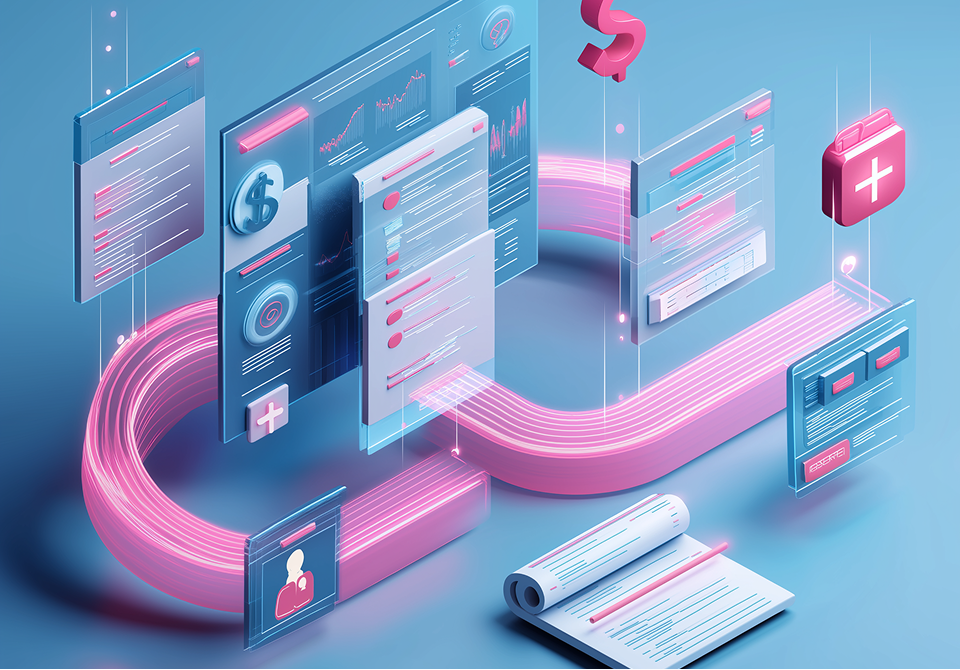
Invoice-to-payment is the entire process from creating and sending an invoice to paying the supplier or service provider. This cycle is integral to the accounts payable (AP) workflow, helping manage invoices effectively and ensuring that payments are made on time. It is designed to maintain cash flow efficiency, reduce errors, and foster trust between businesses and their suppliers through prompt and accurate payment handling.
Synonyms
- Accounts Payable Cycle
- Invoice-to-Pay (I2P)
- Invoicing and Payment Cycle
- Invoice Payment Process
Steps in the Invoice-to-Payment Process
Each step of invoice processing helps businesses manage invoices effectively, resulting in timely and accurate payments.
Invoice Creation
The process begins when a supplier or service provider creates an invoice, which includes detailed information about the products or services rendered, prices, applicable taxes, and payment terms. The document serves as the formal request for payment and sets the stage for the entire process.
Example: ABC Manufacturing sends an invoice to XYZ Retailers for a shipment of 1,000 units of a product. The invoice includes the product details, total amount due, and payment terms of net 30 days.
Invoice Receipt and Data Capture
Once received, the invoice is entered into the company’s AP system. This can be done manually or through automation tools that scan and capture the data.
Example: XYZ Retailers’ AP team uses automated data capture software to scan ABC Manufacturing’s invoice, instantly inputting the details into their system and alerting the AP manager for review.
Invoice Validation and Approval
The invoice is checked for accuracy against associated purchase orders and delivery receipts in a process called three-way matching. This guarantees that the details align and that the goods or services were delivered as billed.
Example: The AP manager at XYZ Retailers matches ABC Manufacturing’s invoice with the original purchase order and the warehouse’s receipt confirmation.
Approval Workflow
After validation, the document moves through an internal approval workflow to ensure designated personnel review and authorize the invoice for payment based on company policies.
Example: XYZ Retailers’ AP system routes the invoice to the finance director for final sign-off. An automated alert notifies the director, who reviews and approves it within a day, keeping the process efficient.
Payment Scheduling
Once approved, the invoice is scheduled for payment according to the agreed-upon terms. Scheduling aligns with the company’s cash flow strategies, ensuring payments are made on time without straining financial resources.
Example: XYZ Retailers sets up a payment for ABC Manufacturing, planning the disbursement for 30 days post-invoice receipt, in line with their net 30 payment terms.
Payment Execution
The scheduled payment is executed using the preferred method, which can range from bank transfers and ACH payments to checks or digital payment platforms.
Example: On the 30th day, XYZ Retailers’ AP team initiates an automated bank transfer to send the payment to ABC Manufacturing’s account, completing the transaction securely.
Reconciliation
The final step involves recording the payment in the company’s financial system and reconciling it with internal records. This step verifies that books remain accurate and supports future audits.
Example: The AP team at XYZ Retailers verifies the payment transaction against the company’s general ledger. The records are updated, confirming the payment to ABC Manufacturing and ensuring all accounts reflect accurate figures.
Importance of the Invoice-to-Payment Process
The invoice-to-payment process is significant for a company’s financial management and operational efficiency for the following reasons:
- Streamlined Cash Flow Management: Confirms timely payments are made, maintaining smooth cash flow.
- Accuracy and Compliance: Enhances financial record-keeping and compliance with regulations.
- Stronger Supplier Relationships: Timely payments help build trust and foster long-term partnerships.
- Reduced Risk of Errors: Automation can minimize data entry mistakes and discrepancies.
Common Challenges in the Invoice-to-Payment Process
Despite its importance, the invoice-to-payment process can present several operational challenges businesses must overcome.
Manual Processing Issues
Relying on manual methods for invoice processing can lead to inefficiencies, including data entry errors and delays. These issues slow down the overall payment process and can result in missed payment deadlines, affecting supplier relationships.
Approval Delays
A slow or unclear approval workflow can become a significant bottleneck. When invoices are stuck waiting for approval from multiple stakeholders, it impacts the timely processing of payments and can disrupt cash flow.
Invoice Discrepancies
Discrepancies between purchase orders, delivery receipts, and invoices are common challenges. These mismatches require manual intervention to resolve, causing further delays and potentially leading to incorrect payments or disputes.
Late Payments
Late payments can damage supplier relationships and may result in penalties or late fees. This issue often arises from inefficient workflows or data validation and approval bottlenecks.
Cost and Metrics Associated with Invoice-to-Payment
Analyzing the costs and performance metrics of the invoice-to-payment process helps businesses assess efficiency and pinpoint improvement areas. Metrics to track include:
Cost per Invoice
This metric measures the average expense involved in processing invoices. It accounts for labor, software, and other resources used. Lowering this cost through automation or streamlined processes can result in significant savings.
Invoice-to-Payment Ratio
This ratio shows how many invoices are successfully processed compared to the total payments completed. A high ratio indicates an efficient process, while a low ratio suggests potential inefficiencies, such as manual processing errors or approval delays.
Average Processing Time
This metric tracks the average duration it takes to move from receiving an invoice to completing payment. Shorter processing times suggest an effective system, which can be achieved by automating parts of the workflow and optimizing approval steps.
Payment Accuracy Rate
The payment accuracy rate indicates the percentage of payments completed without discrepancies. A higher accuracy rate reflects a robust system that minimizes corrections and disputes, enhancing overall efficiency and supplier trust.
How to Optimize the Invoice-to-Payment Process
Optimizing payment processing can enhance efficiency, reduce costs, and improve supplier relationships.
Implement AP Automation
Automating the accounts payable process streamlines repetitive tasks like data entry, validation, and payment scheduling. Automation minimizes the risk of human error and accelerates the workflow, leading to faster invoice approvals and better transparency. Automated systems offer real-time status updates, enabling better decision-making and quicker issue resolution.
Adopt Three-Way Matching
Three-way matching involves comparing the invoice, purchase order, and delivery receipt to confirm that all details align. This practice safeguards against discrepancies and errors, helping businesses catch issues early and preventing delays in the payment cycle.
Establish Clear Approval Workflows
A well-defined approval workflow reduces delays by assigning clear responsibilities at each step of the process. When invoices are routed efficiently to the right personnel for approval, the risk of bottlenecks decreases, promoting a faster turnaround from receipt to payment.
Schedule Strategic Payments
Strategically scheduling payments helps businesses align outgoing payments with cash flow availability. Properly timed payments support cash flow optimization, allowing companies to fulfill financial obligations without compromising liquidity.
Regular Staff Training
Continuous training ensures that the AP team can effectively navigate updated processes and new technology. Well-trained staff are better equipped to handle complex invoices and utilize automation tools to their full potential, maintaining high operational standards.
Standard Payment Methods in Invoice-to-Payment
Selecting the right payment method is necessary for smooth transactions and positive supplier relationships. Here are the most common methods:
- Bank Transfers (ACH): A secure, popular method for large transactions.
- Checks/Cheques: Though less efficient, still used by some businesses for payments.
- Credit/Debit Cards: Useful for smaller or recurring payments.
- Digital Payment Platforms: Tools like PayPal or Stripe facilitate electronic payments.
Managing the Invoice-to-Payment Process: Best Practices for Suppliers and Vendors
Efficiently managing the invoice-to-payment process is critical for suppliers and vendors to maintain healthy cash flow, build strong customer relationships, and reduce the risk of disputes. Here are some best practices to streamline this process:
Standardize Invoicing Procedures
- Use consistent invoice templates with all necessary details, including payment terms, due dates, and itemized charges.
- Ensure accuracy by double-checking data before sending invoices to minimize disputes.
Leverage Technology for Automation
- Implement invoicing software to automate the generation and delivery of invoices.
- Use accounts receivable (AR) automation tools to track payments, send reminders, and flag overdue accounts.
Offer Flexible Payment Options
- Provide multiple payment methods, such as credit card, bank transfer, or digital wallets, to accommodate customer preferences.
- Consider early payment discounts to incentivize timely payments.
Communicate Payment Expectations Clearly
- Include payment terms and conditions in contracts and purchase orders.
- Educate customers about your invoicing and payment policies upfront to avoid confusion.
Monitor and Optimize Payment Processes
- Regularly review key metrics, such as days sales outstanding (DSO) and invoice rejection rates, to identify inefficiencies.
- Address bottlenecks by adjusting internal workflows or renegotiating terms with customers if needed.
Build Strong Customer Relationships
- Maintain open communication channels with customers to address queries or disputes promptly.
- Cultivate trust by delivering consistent and transparent service.
Mitigate Payment Risks
- Conduct credit checks on new customers to assess payment reliability.
- Use invoice financing or factoring services to manage cash flow during payment delays.
Adopting these practices helps suppliers and vendors reduce delays, improve payment reliability, and strengthen their financial stability.
People Also Ask
How does invoice automation impact compliance?
Invoice automation improves compliance by creating an accurate, consistent record of transactions. Automated systems can track changes, manage approval workflows, and help businesses adhere to regulatory requirements by minimizing errors.
What are standard invoice payment terms?
Payment terms like net 30 or net 60 dictate when payment is expected after the invoice is issued.