
What was once a concept for only the largest and most forward-thinking organizations is now the status quo.
According to data from McKinsey, an estimated 90% of companies are currently undergoing a digital transformation of some kind. But starting is the easy part. It’s scaling and accelerating that transformation where most orgs hit a wall.
Legacy systems, siloed data, and outdated workflows hold companies back, even if they’ve successfully transformed one aspect of the business. The winners are those who modernize across the board using tools purpose-built to drive transformation.
That’s exactly why choosing the right digital transformation platforms is so crucial. These platforms give you the capabilities to streamline processes, harness AI, improve customer experiences, and future-proof your business.
Below, we give you the 17 best platforms for digital transformation:
- Microsoft Power Apps
- MuleSoft Anypoint Platform
- Appian
- ServiceNow
- Mendix
- Databricks
- Snowflake
- Zapier
- DealHub
- Oracle Cloud Infrastructure (OCI)
- Airtable
- Amazon Web Services (AWS)
- Google Cloud Platform (GCP)
- Liferay
- NewgenONE
- WSO2
- Kissflow
1. Microsoft Power Apps
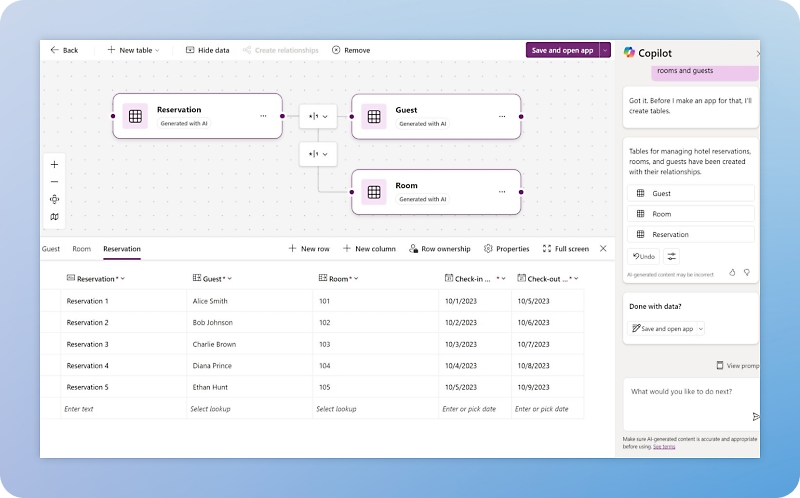
If your #1 digital transformation goal is to streamline processes, automate workflows, or turn siloed data into insights, Power Apps makes that possible. It’s a low-code platform that lets technical and non-technical users build custom business apps quickly. It connects seamlessly with Microsoft 365, Azure, and Dataverse, so you can work with the tools and data you already have.
And one of its biggest game-changers this year is the integration of AI-powered development. With Copilot built in, you can now describe the app you need in plain language, and Power Apps will generate the data tables, suggest UI layouts, and build workflows for you.
Microsoft Power Apps features:
- AI-powered development with Copilot
- Enhanced integration with Microsoft Teams
- Advanced data modeling tools
- Offline Mode 2.0 with automatic syncing once reconnected (ideal for field workers)
- Git integration for seamless app/workflow sync with source control systems
- Power FX functions (reusable business logic with minimal coding)
- Power Automate flows
2. MuleSoft Anypoint Platform
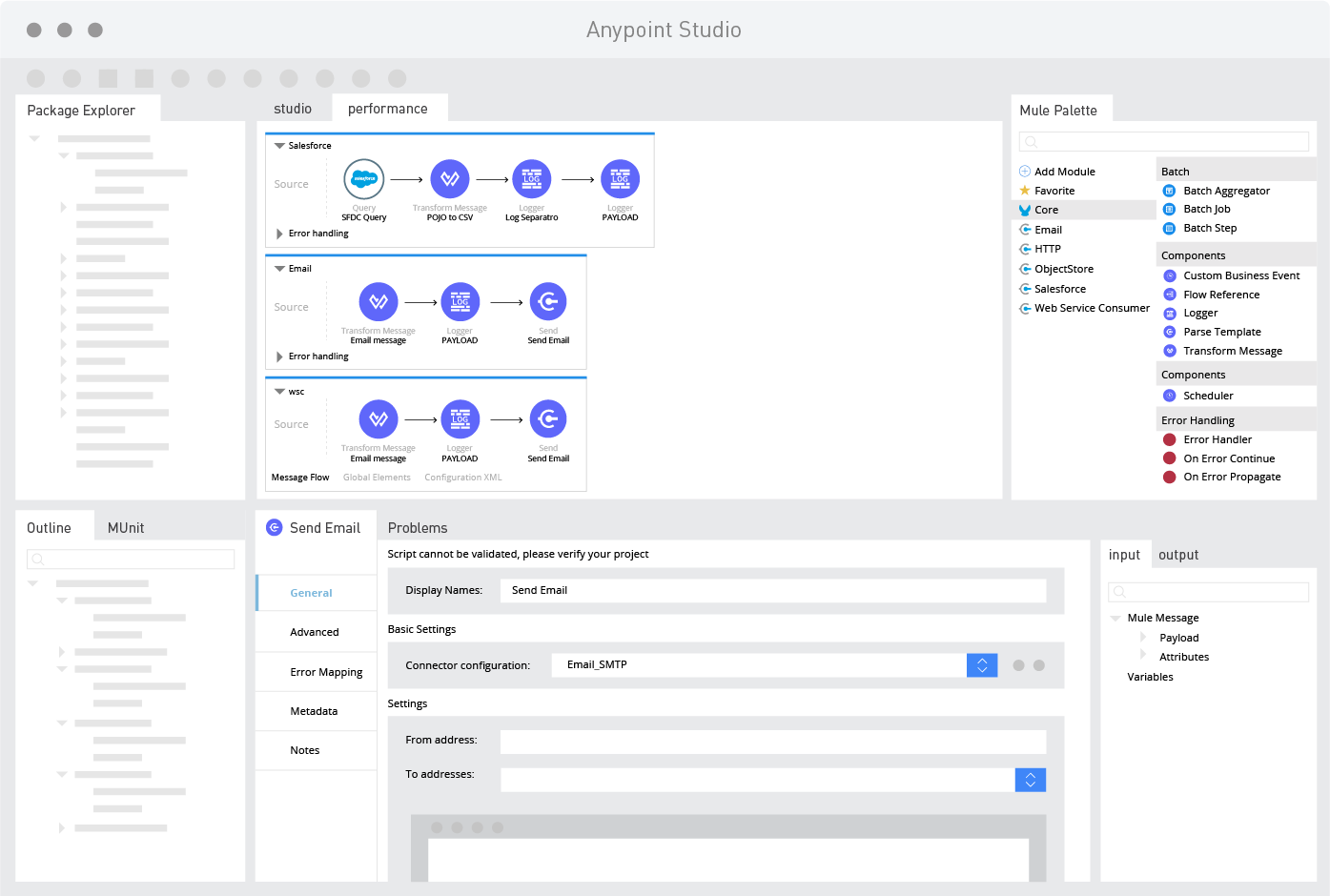
In 2025, API-led connectivity is one of the fastest ways to modernize your IT infrastructure, and that’s exactly where Anypoint excels. MuleSoft’s Anypoint Platform is a unified solution for building, managing, and automating APIs and integrations.
Anypoint lets you expose data from legacy systems, compose new services, and power connected user experiences, all without having to overhaul your entire IT stack. It combines API management, integration, and automation in one place. You can create reusable APIs, manage their security and performance, and orchestrate complex workflows across cloud and on-prem systems.
MuleSoft Anypoint Platform features:
- Anypoint Studio (graphical API/integration design, testing, and deployment environment)
- Anypoint Exchange (marketplace for pre-built APIs, connectors, templates, and more)
- Anypoint API Manager (API lifecycle management tools, including versioning, policies, and access control)
- Anypoint Monitoring (real-time visibility into APIs and integrations)
- Anypoint Flex Gateway (API gateway to manage and secure APIs across any environment)
- DataWeave (converts data between different formats and structures)
- Anypoint Partner Manager (for partner onboarding and transaction monitoring)
- Anypoint MQ (for async communication between apps and services)
3. Appian
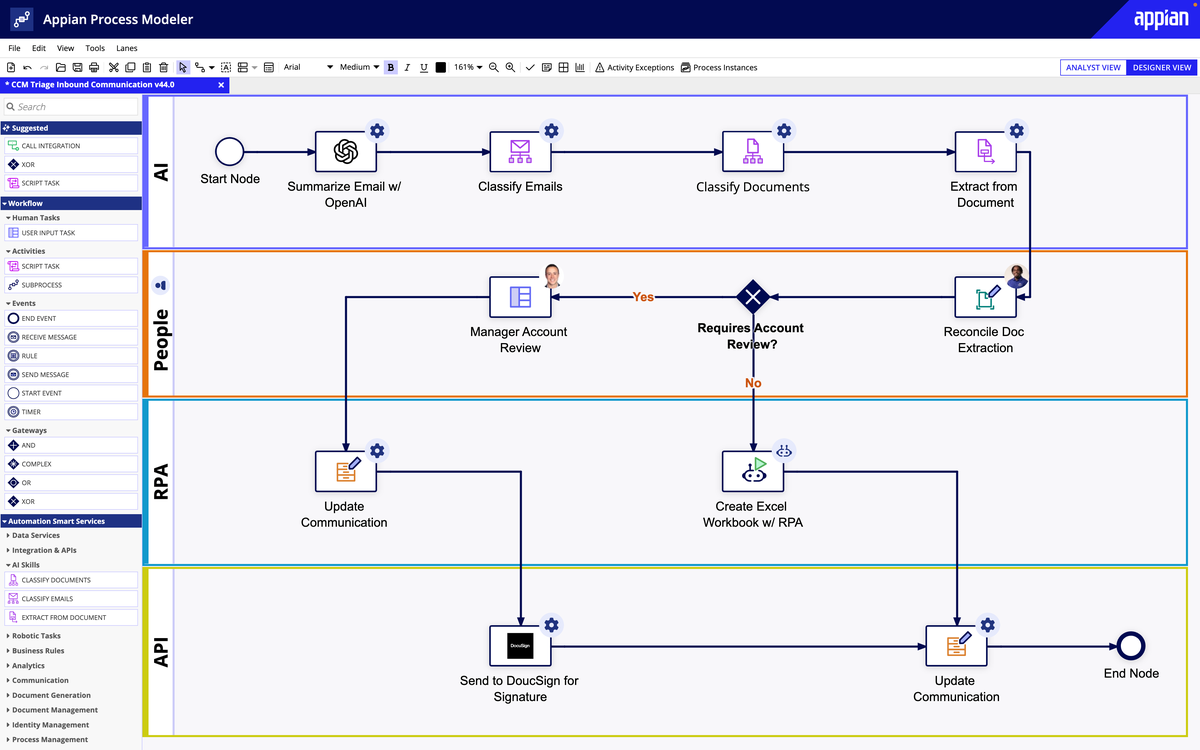
Appian is a low-code automation platform built for designing, building, and optimizing complex business processes. It brings together process automation, AI, and data integration in a single environment, which allows you to orchestrate workflows that span multiple teams and technologies.
In 2025, Appian has taken a major leap forward with generative AI. You can now use low-code tools to build next-gen applications (and even create custom AI models) without deep technical expertise.
Another standout is Appian’s data fabric. It connects and unifies data across systems, breaking down silos and enabling powerful composite applications that pull in the information you need, when and where you need it.
Appian features:
- Business Product Management System
- Easy to build and deploy business applications
- Risk and regulatory compliance
- Native CI/CD and governance
- Gen-AI + low-code tools
- Process automation
4. ServiceNow
ServiceNow stands out as a pivotal tool for enterprise digital transformation if your goal is to make every aspect of your org more AI-driven. Instead of relying on manual processes, email threads, and disconnected tools, you use ServiceNow to build streamlined, automated workflows on a single cloud platform.
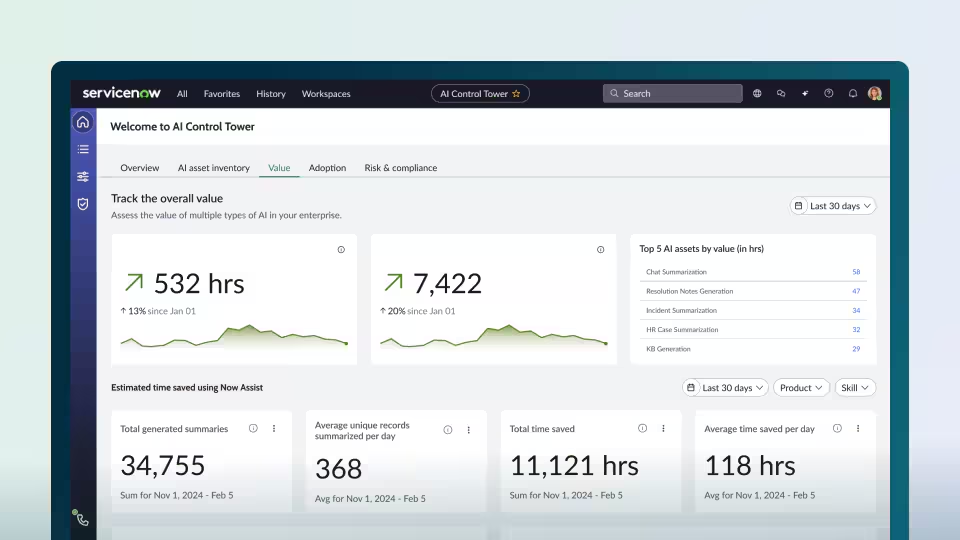
ServiceNow’s AI Platform is what sets it apart. Together, the AI Engagement Layer, Workflow Data Fabric, and AI Agent Fabric facilitate intelligent automation. A built-in AI Control Tower gives you a central hub to manage AI initiatives, keeping them aligned with business goals and compliance needs.
ServiceNow features:
- Deployment of AI agents that autonomously handle tasks
- AI-assisted code generation and content creation
- Low-code/no-code development environment
- Centralized management via AI Control Tower
- CRM with AI agents
- Integration hub
5. Mendix
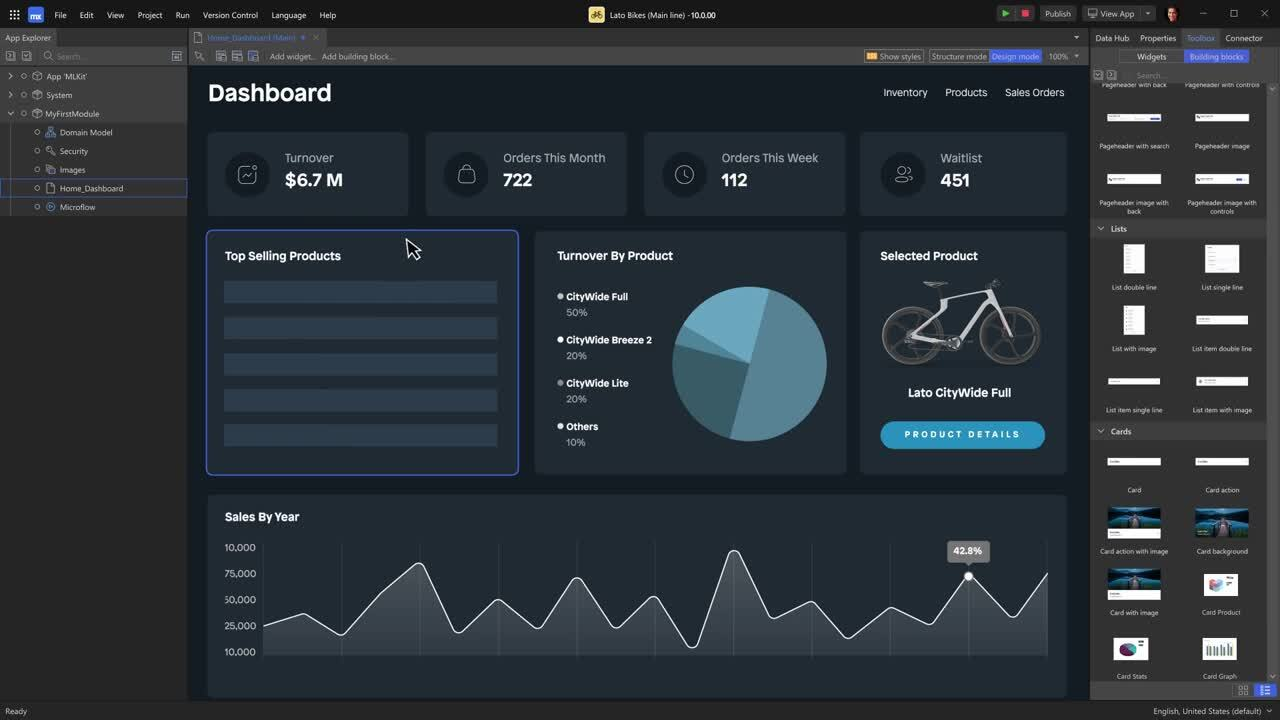
Mendix can be used to build modern apps that digitize business processes, connect systems, and improve customer and employee experiences. The platform supports everything from internal process apps to customer-facing portals to IoT-connected solutions.
It’s also one of the only low-code platforms that gives enterprises the guidance, structure, and tooling to actively track digital transformation progress. That way, you can manage your entire transformation journey with built-in governance, KPIs, and visibility across the portfolio.
All disparate elements are pulled together into Mendix’s Developer Portal and API. Teams collaborate in creating data systems and complex processes. Deploy apps with a single click to Mendix cloud architecture that runs on Cloud Foundry.
Mendix features:
- Support for multi-experience development (web, mobile, wearable)
- Drag-and-drop interfaces to design applications
- AI tools to accelerate application development
- Public, private, or hybrid cloud deployment
- Integrated governance controls
6. Databricks
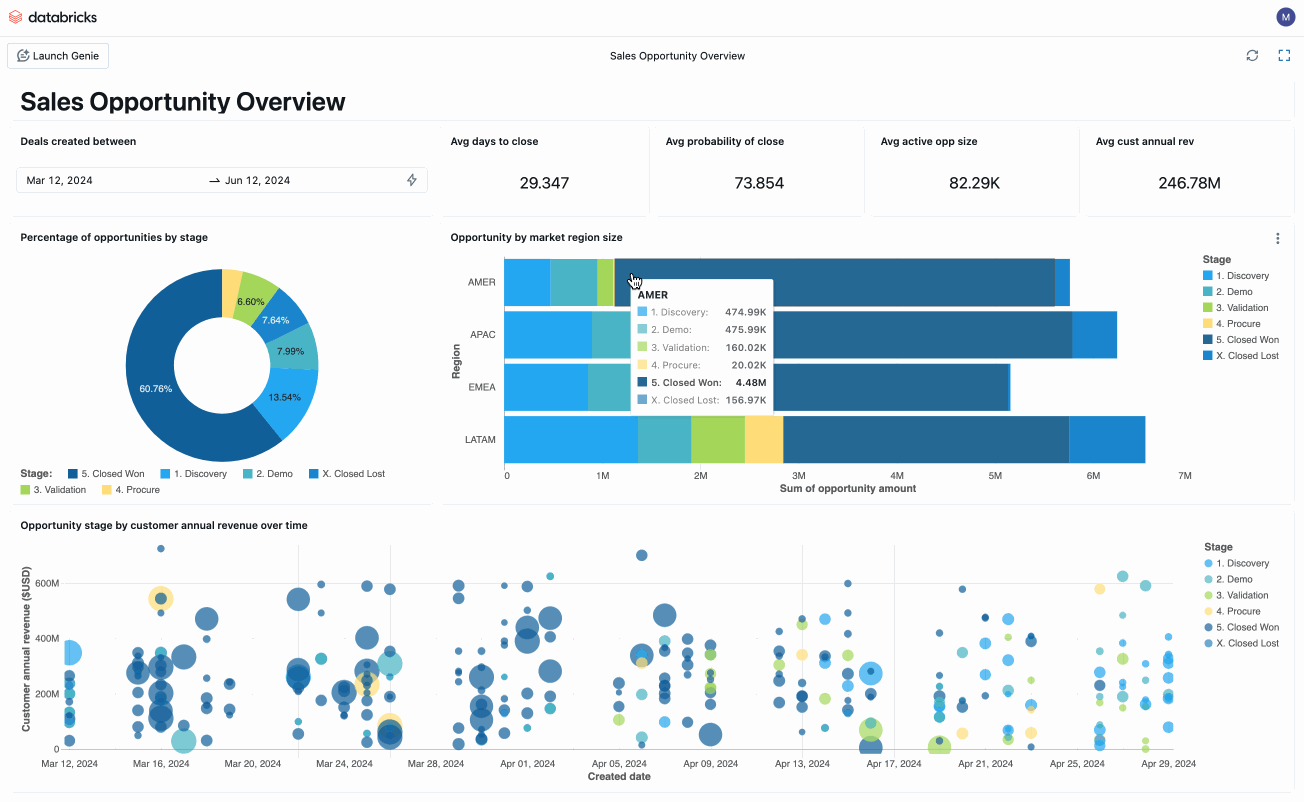
Databricks is a data and AI platform with a unique “lakehouse” architecture that combines the flexibility of data lakes with the performance and reliability of data warehouses. This lets you store, process, and analyze all types of data (structured, semi-structured, unstructured) at scale.
Compared to its main rival, Snowflake, it’s a lot more focused on AI and machine learning. It’s the best digital transformation platform if you’re focused on making your data infrastructure more AI-forward for data science purposes. It puts data engineering, machine learning, and business intelligence together on a single platform.
Databricks features:
- Interact with data using natural language queries (Genie AI/BI)
- Real-time code suggestions and optimizations within notebooks and SQL editors
- Centralized governance and fine-grained access control
- Instant data processing and streaming analytics (Delta Live Tables)
- Centralized repository for machine learning features
- Open-source LLM with mixture-of-experts architecture (DBRX)
- Neon integration to support AI agents and dynamic data applications
7. Snowflake
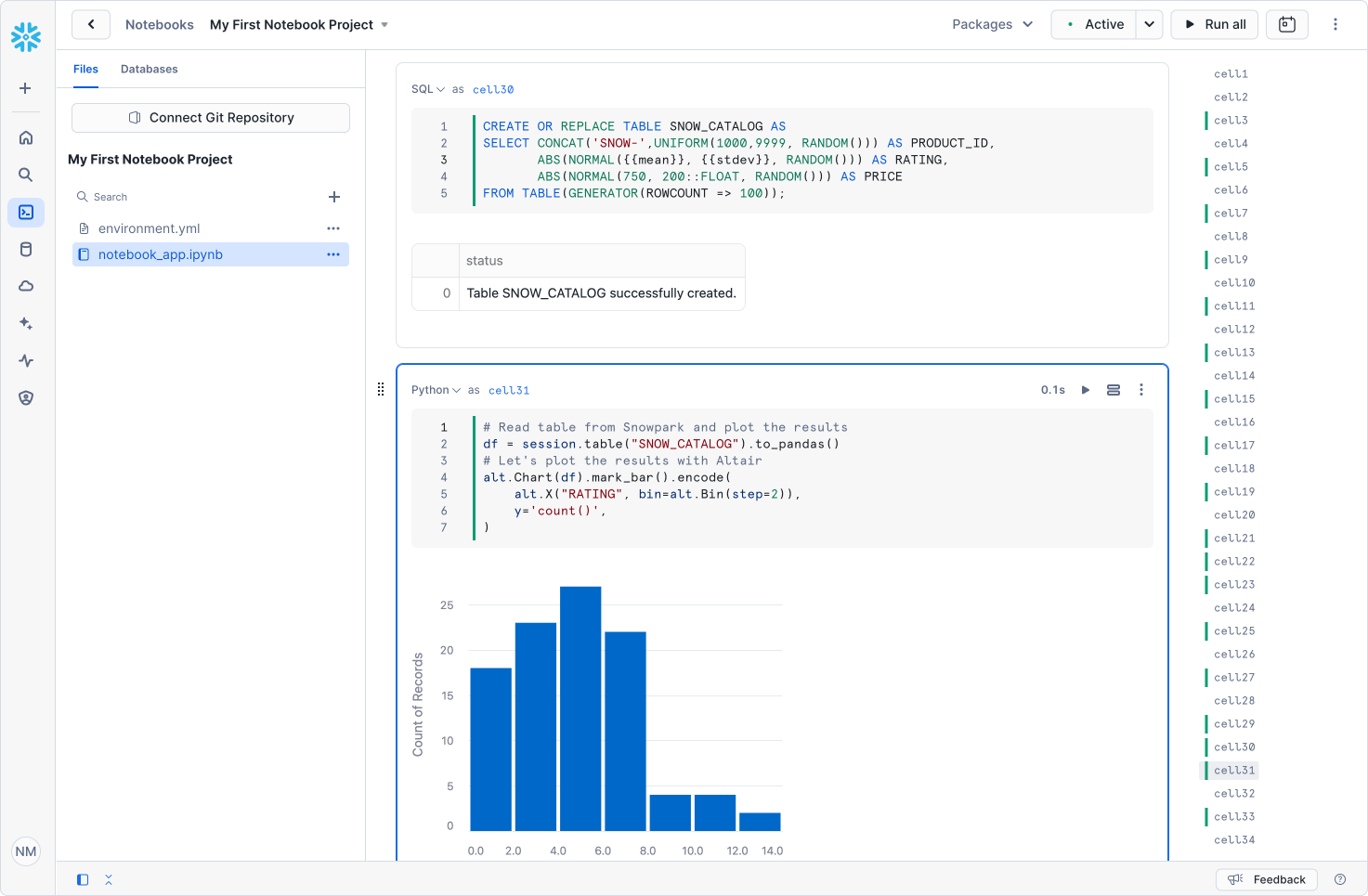
At its core, Snowflake is a data cloud that gives you a single, scalable place to store and analyze structured and semi-structured data. Its architecture separates storage and compute, allowing you to scale each independently and pay only for what you use. That’s a big advantage in large-scale transformation projects.
Where Databricks focuses heavily on AI/ML and advanced data science, Snowflake excels at simplifying enterprise-wide data access. Its Data Cloud allows organizations to securely share live data across departments, partners, and even entire ecosystems without complex data pipelines or duplication.
If your goal is to break down data silos, enable real-time insights, and foster cross-business collaboration, Snowflake remains one of the most accessible and scalable data platforms on the market.
Snowflake features:
- Secure AI agents that interact with organizational data (Snowflake Intelligence)
- Generation 2 Warehouses (enhanced analytics performance)
- Interoperability with open formats like Apache Iceberg
- Cortex AI LLMs for building AI-powered applications
- Integration of PostgreSQL capabilities
- Declarative streaming transformation
- Automated resource allocation
8. Zapier
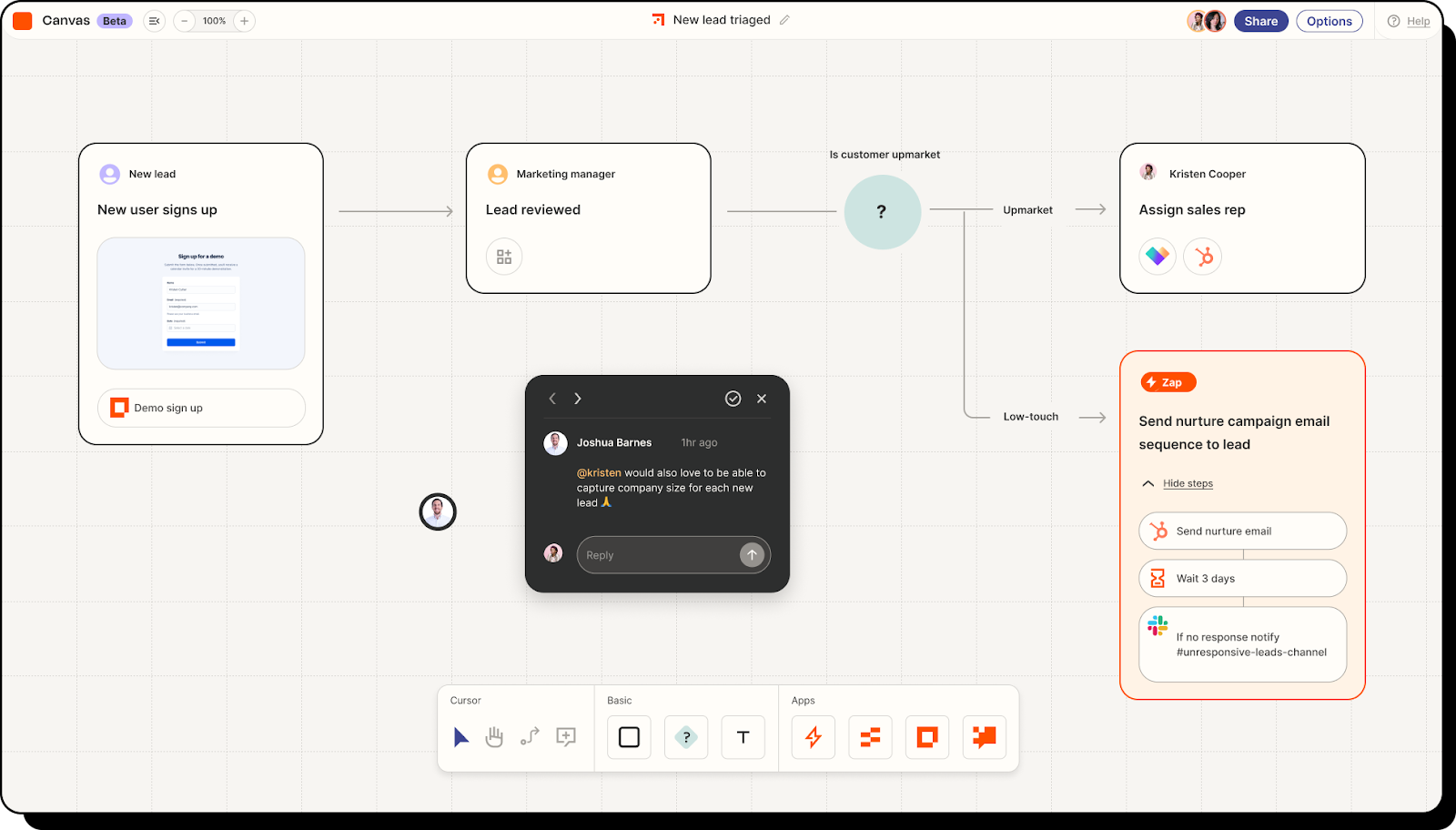
Zapier is the most accessible way to start driving digital transformation. While most transformation platforms are built for IT teams and enterprise architects, Zapier empowers anyone in any organization to automate workflows between the apps they already use. You can connect 8,000+ tools — CRM, marketing, email, spreadsheets, project management, and more — with simple drag-and-drop logic, and create automated workflows between them (called “Zaps”).
That’s why Zapier is often the first tool businesses adopt on their transformation journey. It’s an easy win: you can eliminate repetitive tasks, streamline processes, and improve data flow across your business without writing code or waiting on IT.
Zapier features:
- Automated workflows that connect different apps (Zaps)
- Customizable AI assistants for data entry, emails, and more
- Chatbots for customer service, lead gen, and internal support
- Visual interface to design and map out complex workflows
- Built-in databases to store and manage workflow data
- Web-based IDE to write custom code when needed
- Customizable user interfaces
9. DealHub
DealHub’s Revenue Hub is the ultimate platform for the digital sales transformation of your quote-to-revenue process. Most sales teams today still operate in fragmented systems: CPQ in one tool, contracts in another, billing in a third. DealHub eliminates that fragmentation by giving you an end-to-end quote-to-revenue flow, with everything connected, automated, and built for speed.
DealHub’s Quote-to-Revenue Platform
You get a single source of truth across sales, finance, and operations, which is critical for driving accurate forecasting, faster deal cycles, and better customer experiences.
DealHub features:
- Configure, price, quote (CPQ)
- Contract lifecycle management (CLM)
- Digital sales room (DealRoom)
- Deal sourcing and marketing (DealStream)
- Subscription management
- E-signature integration
- Buyer engagement, sales performance, and pipeline health reports
- CRM integration
10. Oracle Cloud Infrastructure (OCI)
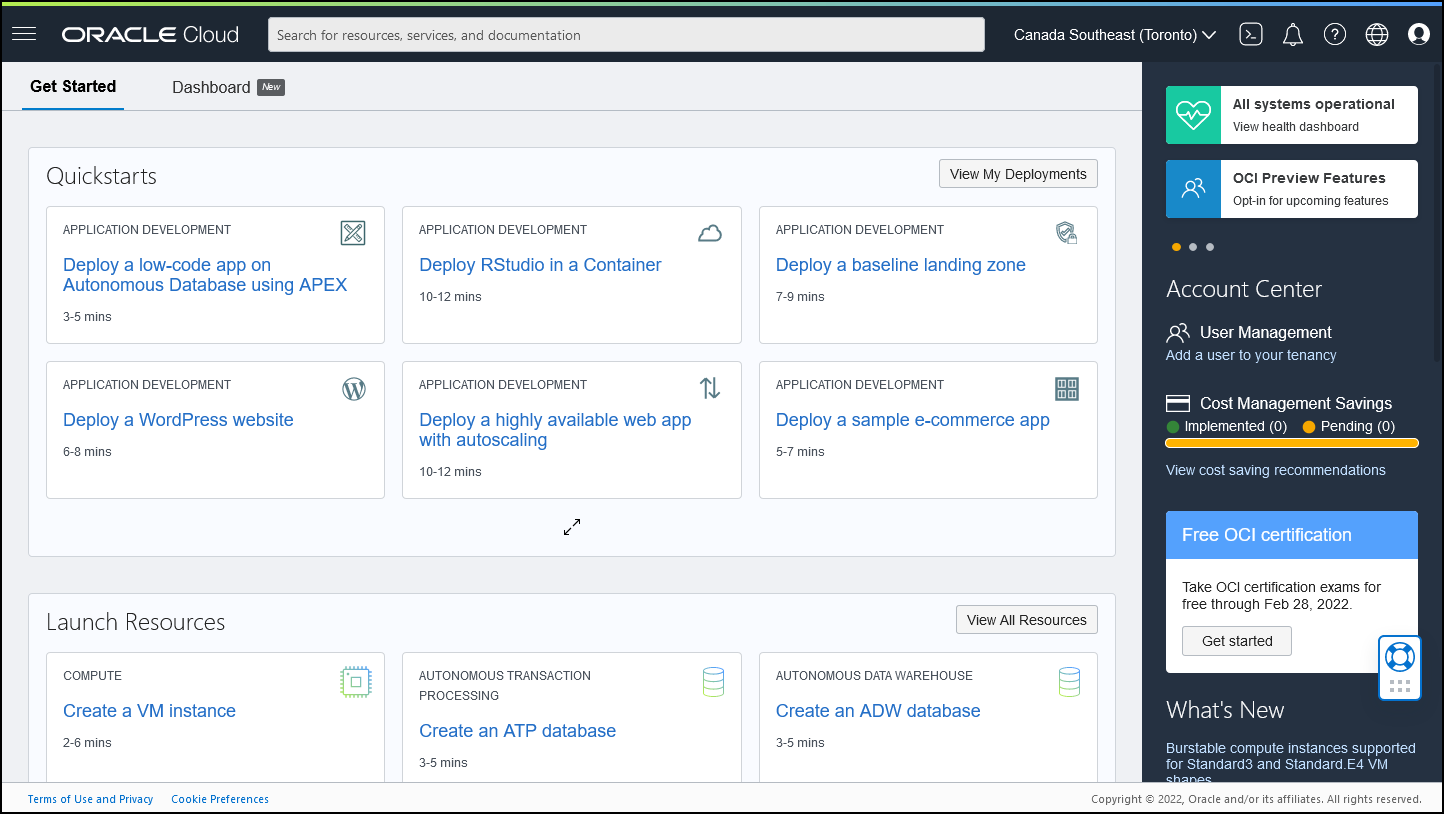
Oracle Cloud Infrastructure (OCI) is built for enterprises that need to modernize and scale mission-critical workloads, especially in highly regulated industries like finance, healthcare, and government. If your digital transformation involves moving complex, performance-sensitive, or compliance-heavy applications to the cloud, OCI is one of the most capable platforms available.
What sets it apart is its unified offering: Infrastructure as a Service (IaaS), Platform as a Service (PaaS), and Software as a Service (SaaS) — all on a single platform. This lets you run both traditional and cloud-native applications side by side, with consistent governance and performance across public, private, and hybrid environments.
Oracle Cloud Infrastructure features:
- Virtual machines and bare-metal servers, including GPU instances
- Self-driving, self-securing, and self-repairing database services
- Prebuilt AI services and tools for building, training, and deploying ML models
- Zero-trust architecture with built-in encryption
- Natively integrated SaaS app suite, including ERP, HCM, and CX
- Seamless integration with other cloud providers and on-prem environments
11. Airtable
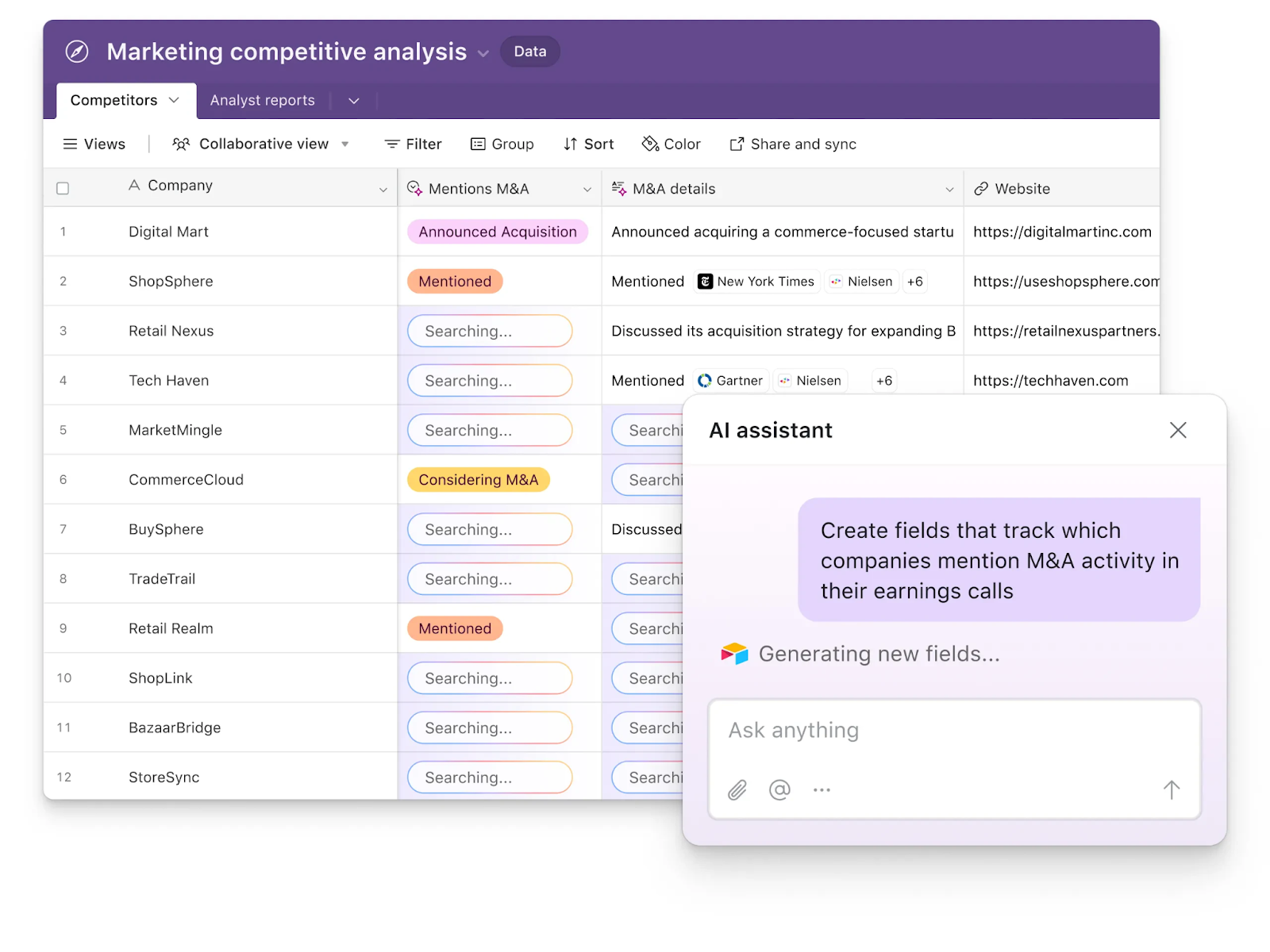
Airtable is best for operational digital transformation: helping non-technical teams digitize and automate manual processes, connect data across silos, and create lightweight business apps without the need for full-scale development.
At its core, it’s a relational database with the simplicity of a spreadsheet and the power of an app. You use it to organize, connect, and automate business data, whether that’s marketing campaigns, project management, inventory tracking, or content operations.
Airtable features:
- AI-powered summaries, data extraction, and content creation directly within tables
- Enterprise scalability with support for up to 100 million records
- Natural language prompts to build entire applications
- Custom interfaces tailored to specific workflows
- Triggers and actions to automate repetitive tasks
- Connections to Slack, Google Drive, Salesforce, Zapier, and more
12. Amazon Web Services (AWS)
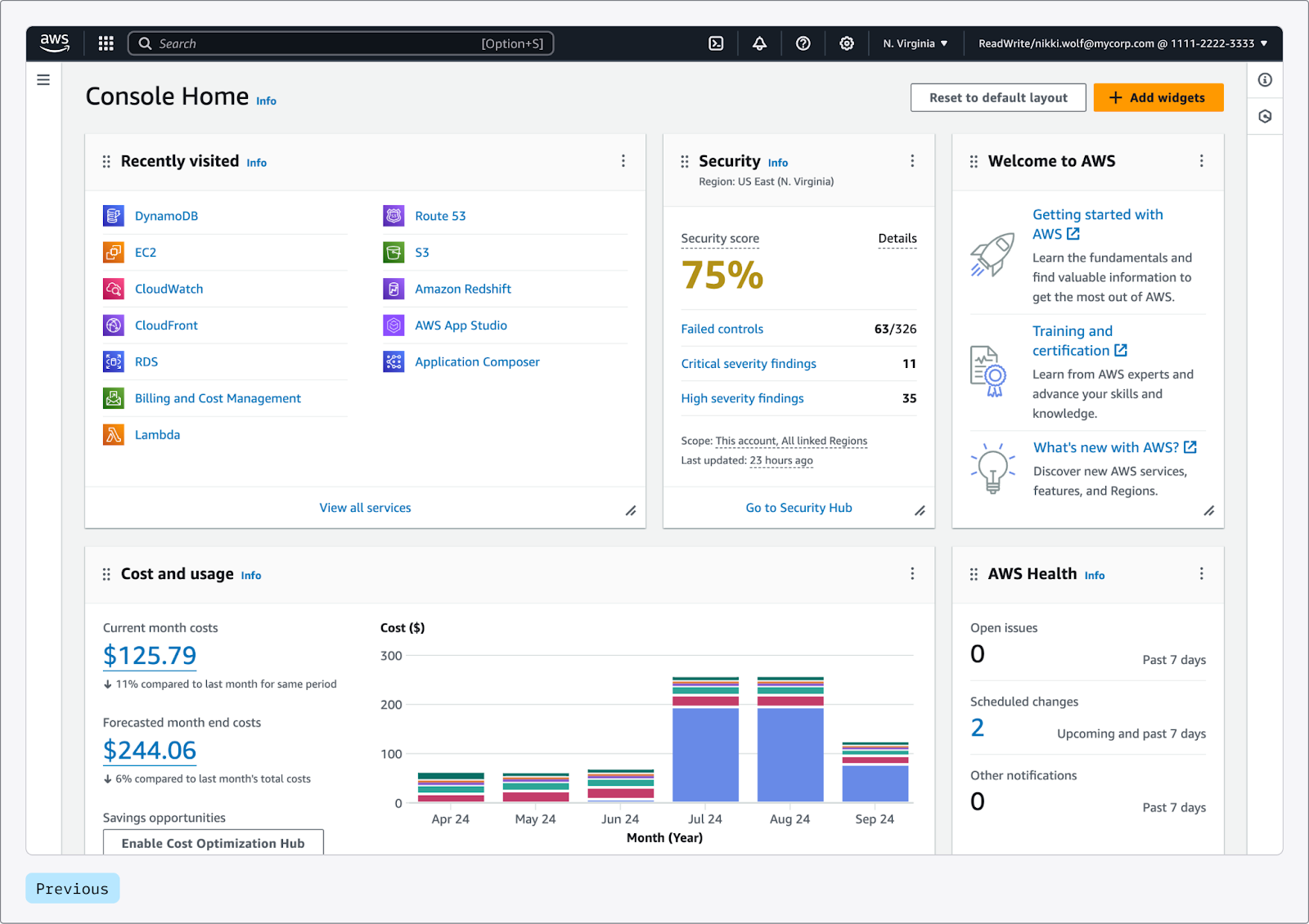
Amazon Web Services (AWS) remains the most widely adopted cloud platform for large-scale, cloud-driven transformation. If your strategy involves migrating infrastructure, modernizing applications, or building cloud-native services, AWS gives you unmatched breadth and depth of tools to get it done.
It offers the full stack: Infrastructure as a Service (IaaS), Platform as a Service (PaaS), serverless computing, AI/ML services, IoT platforms, databases, and more — all integrated with advanced security and global availability.
Amazon Web Services features:
- Amazon Bedrock (to develop generative AI applications)
- Amazon SageMaker (to build, train, and deploy ML models at scale)
- Graviton4 processors (AWS-designed ARM-based CPUs)
- Amazon Q (conversational support for troubleshooting, code generation, and document summarization)
- AWS Local Zones (to bring compute, storage, and other services closer to end-users)
- Trainium2 Chip (AI training chips designed to accelerate machine learning workloads)
- Amazon Connect (cloud-based contact center)
- AWS Marketplace Expansion (broadened to include SaaS products hosted outside of AWS)
13. Google Cloud Platform (GCP)
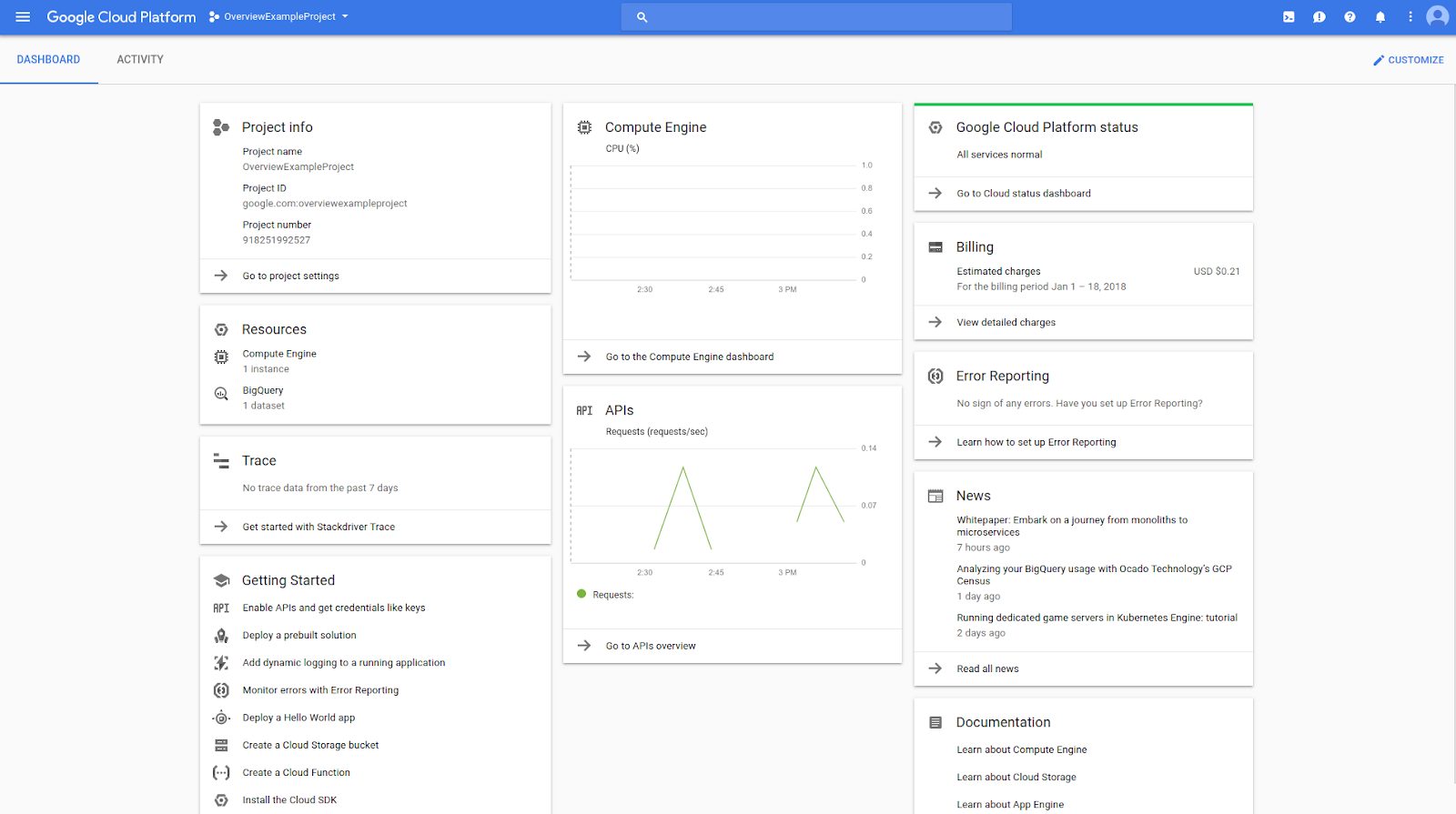
Google Cloud Platform (GCP) offers a full range of cloud services — compute, storage, databases, networking, AI/ML, data analytics, API management, and more — built on Google’s global infrastructure. But where GCP really shines is in helping organizations unlock the value of their data and accelerate innovation.
Tools like Vertex AI, as well as advanced data analytics through BigQuery, its serverless data warehouse, make it easier to integrate AI and real-time insights into your products, services, and operations.
If your DX priorities include AI, analytics, and innovation velocity, GCP offers some of the most advanced and accessible tools on the market.
Google Cloud Platform features:
- Gemini 2.5 AI models for complex reasoning and multimodal tasks
- Vertex AI: Unified platform for building, deploying, and scaling machine learning models
- 7th-gen Tensor Processing Units delivering up to 42.5 exaflops for AI workloads
- Cloud WAN: Fully managed wide area network (WAN) service providing enterprise-grade connectivity
- AI-driven security suite offering threat detection and automated response
- Open-source framework for building interoperable AI agents
- Deployment on-premises and air-gapped environments
- Visual application designer
14. Liferay

Liferay is an open-source digital experience platform (DXP) that helps you build and manage websites, intranets, customer portals, and B2B commerce experiences, all deeply integrated with your back-end systems.
This makes it best for experience-led digital transformation. Companies in industries like manufacturing, financial services, and healthcare use it to create secure, scalable portals that connect users to personalized content and services.
If your transformation goals include delivering better customer or employee experiences through integrated portals, this is the platform for you.
Liferay features:
- Headless CMS architecture
- AI-powered content creation
- Segmentation and personalization at scale
- Drag-and-drop tools for workflow automation
- User behavior and content performance insights
- Support across websites, mobile applications, chatbots, and social media platforms
15. NewgenONE
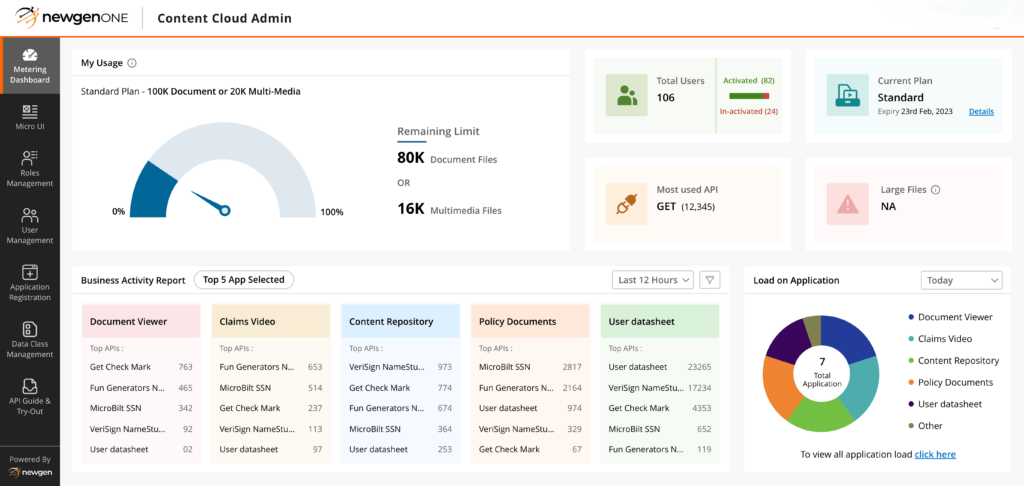
NewgenONE combines process automation (BPM), content management, case management, and customer communications. It’s designed to help you digitize complex workflows and integrate content, process, and communication management, especially in industries like banking, insurance, healthcare, and government where compliance and complex workflows are critical. The platform also includes AI-powered automation, making it easier to handle unstructured data, automate decisioning, and personalize interactions.
If your goal is a process-focused digital transformation, it helps you modernize and automate core business operations that were traditionally manual, document-heavy, or compliance-bound.
NewgenONE features:
- Low-code app development
- Intelligent process automation
- Content lifecycle management with seamless information flow
- Omnichannel customer engagement
- AI and data science for intelligent decision-making and predictive analytics
- Integration ecosystem
- Compliance and data security across all operations
16. WSO2
WSO2 is an open-source integration and API management platform designed to help enterprises build the connected digital experiences that modern transformation demands. That makes it best for integration-focused digital transformation that prioritizes connecting systems, enabling secure API ecosystems, or modernizing legacy architectures.
WSO2 really stands out for its flexibility. It’s one of the few platforms that gives you full control over how and where your APIs and integrations run — in the cloud, on-premises, hybrid, or multi-cloud. This makes it a great fit for orgs with complex, distributed systems or strong data sovereignty and compliance requirements.
WSO2 features:
- Unified control plane for centralized API management across multiple gateways (API Manager 4.5)
- AI-assisted integration development with low-code and pro-code support (Ballerina Integrator)
- AI-native integration platform as a service for building intelligent integrations (Devant iPaaS)
- Advanced identity and access management with AI-powered features (Asgardeo IAM)
- Internal developer platform (Choreo IDP)
- AI-Powered API governance
- Platformless modernization
17. Kissflow
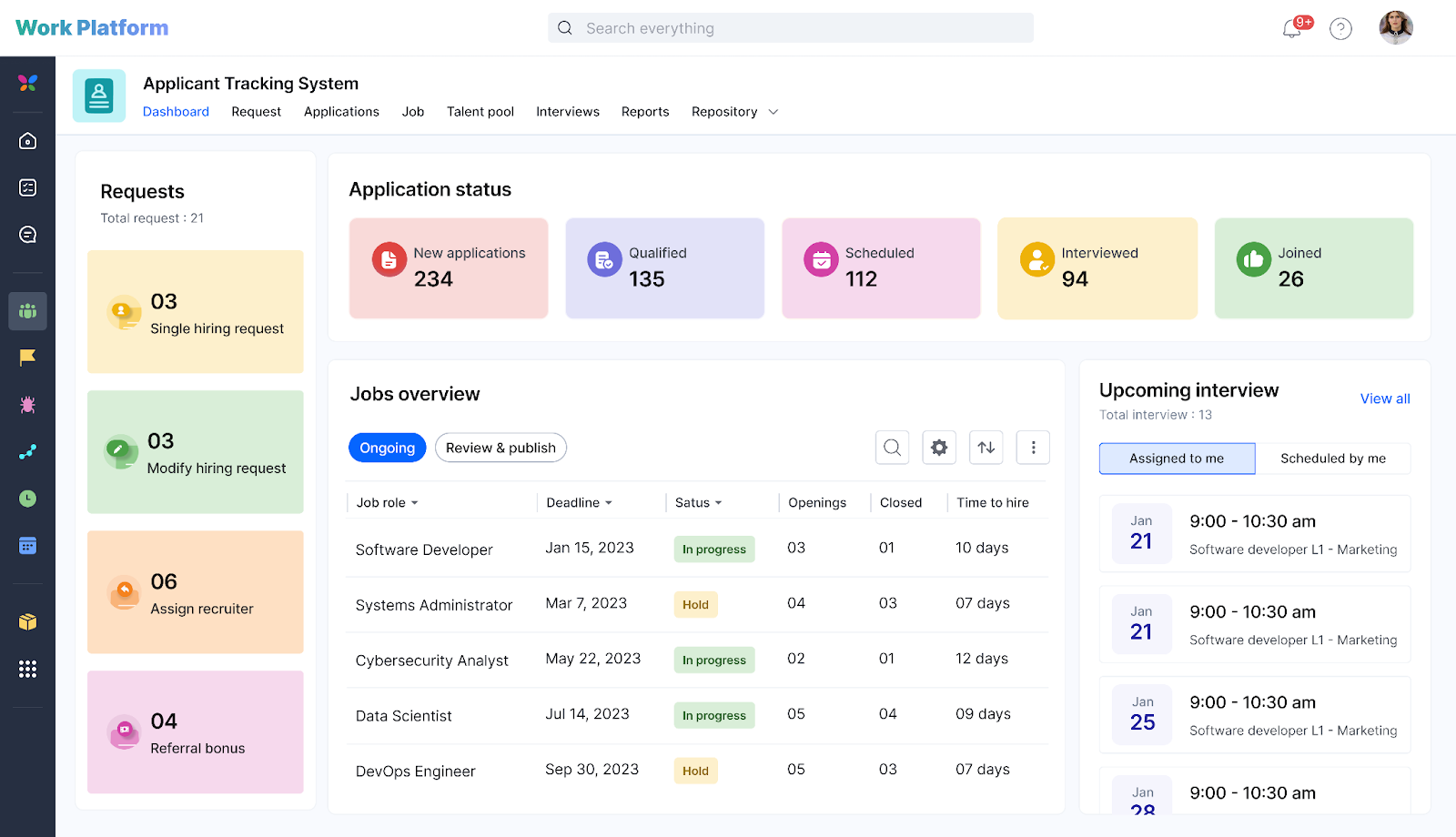
Kissflow is a low-code/no-code work platform that lets you build custom workflows, process automations, internal apps, project boards, and case management tools through a visual, intuitive interface. Business users can create and manage solutions themselves, which frees up IT to focus on more strategic initiatives.
If your digital transformation initiative is centered around task or project management, Kissflow is the tool that’ll help you achieve it. Its case management tools are perfect for handling non-linear tasks, and its multi-persona flexibility allows you to tailor workflows to specific departments, like finance, HR, marketing, or ops.
Kissflow features:
- Collaboration features for low/no-code solution development
- Project management-style boards and workflow orchestration
- Smart suggestions and automations powered by AI
- Tailored forms and visual boards for any business process
- Google Drive, Salesforce, and Slack integrations (among countless others)
- Built-in analytics and reporting tools